Siliguri, situated at the cultural crossroads of North Bengal, is a thriving center for traditional art and folk practices. Rooted in centuries-old customs and regional heritage, the city has cultivated a strong appreciation for India’s diverse artistic traditions. This is most evident in the numerous workshops and community-led initiatives that focus on preserving and teaching traditional art forms.
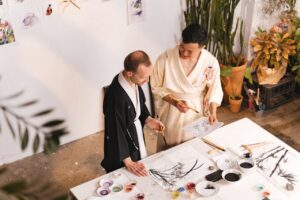
These workshops offer hands-on experiences in styles such as Madhubani, Warli, Pattachitra, and Kalighat painting, as well as in crafts like clay modeling, mask-making, and terracotta work. Participants of all ages—students, hobbyists, and even tourists—come together to learn about the symbolism, techniques, and cultural narratives behind these intricate art forms. Many sessions are led by master artisans or passionate local artists who are dedicated to passing down their knowledge and keeping these traditions alive.
The workshops are often held in schools, local art studios, or during cultural festivals. They serve not only as learning environments but also as community spaces that foster dialogue, collaboration, and cultural pride. These gatherings are especially important in maintaining the relevance of folk art in modern society, as they encourage younger generations to engage with their roots in a creative way.
In addition to painting and craft workshops, folk art also finds expression in dance, music, and storytelling traditions that are often showcased during local fairs and events. These art forms reflect the region’s values, beliefs, and everyday life, connecting people through shared heritage.
Siliguri’s commitment to traditional art forms ensures that folk culture remains vibrant and evolving. By nurturing these practices through workshops and public engagement, the city plays a vital role in preserving the cultural tapestry of not just Bengal, but India as a whole.