
The origins of miniature painting in India can be traced back to the 9th and 10th centuries when Buddhist texts were illustrated on palm leaves in eastern India. However, the tradition gained significant momentum during the Delhi Sultanate and Mughal Empire. The Mughals, especially under emperors like Akbar, Jahangir, and Shah Jahan, elevated miniature painting into a refined and sophisticated court art.
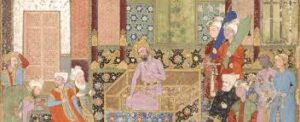
The Mughal school of miniature painting was influenced by Persian art, particularly from the Safavid dynasty. Mughal miniatures were primarily commissioned by royalty and depicted themes such as royal portraits, court scenes, hunting expeditions, and illustrations of literary works. These paintings are characterized by realism, naturalism, fine brushwork, and attention to detail. Artists like Abdus Samad, Mir Sayyid Ali, and Basawan were key figures in developing this style.
Parallel to the Mughal tradition, the Rajput courts in Rajasthan developed their own schools of miniature painting. These were more indigenous in style and less influenced by Persian elements. Rajput paintings were deeply rooted in Indian themes, especially Hindu mythology, epics like the Ramayana and Mahabharata, and devotional poetry. Major schools under the Rajput umbrella include:
In the Himalayan foothills, the Pahari style flourished between the 17th and 19th centuries. These miniatures are delicate, romantic, and lyrical in nature. The Kangra School, a prominent branch of the Pahari tradition, is known for its subtle colors, graceful lines, and depictions of Krishna’s life, especially the Bhagavata Purana and Gita Govinda.
Miniature painters used fine brushes made from squirrel hair and natural pigments derived from minerals, vegetables, gold, and silver. The base was usually handmade paper, polished with smooth stones for a fine texture. Each painting involved layers of color and meticulous detailing.
Indian miniature painting continues to be celebrated today, with artists and art lovers preserving the traditional methods. Many art institutions and families across India still teach and practice this ancient form, keeping it alive for future generations. Exhibitions, workshops, and digital archives also help spread awareness and appreciation globally.