
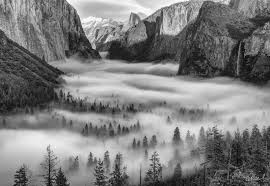

In a world bursting with color, monochrome art offers a striking contrast—one that speaks not through vibrancy, but through restraint. Artists who work with a limited palette, often using only black, white, or shades of a single color, create powerful, contemplative works that evoke silence, emotion, and introspection.
Monochrome does not mean minimal. Instead, it challenges the artist to express complexity through texture, light, shadow, and subtle variation. The absence of color sharpens the focus on form and feeling. Each brushstroke, line, or void gains significance.
Contemporary artists embrace monochrome to explore themes like memory, isolation, grief, and timelessness. Without the distraction of bright hues, their work becomes a quiet mirror—inviting viewers to pause, reflect, and engage on a deeper emotional level.
In galleries, monochrome installations often carry an aura of stillness. A black canvas with layers of charcoal, or a sculpture in white clay, can radiate intensity without saying a word. Some artists experiment with materials like ink, soot, or graphite to add meaning to the simplicity.
Monochrome is also a visual break from the chaos of the digital age. In a time of information overload, this style feels like a breath of calm—a moment of pure presence.
Silence is powerful, and so is simplicity. In the hands of today’s artists, monochrome art proves that expression doesn’t always need noise—it needs honesty.