
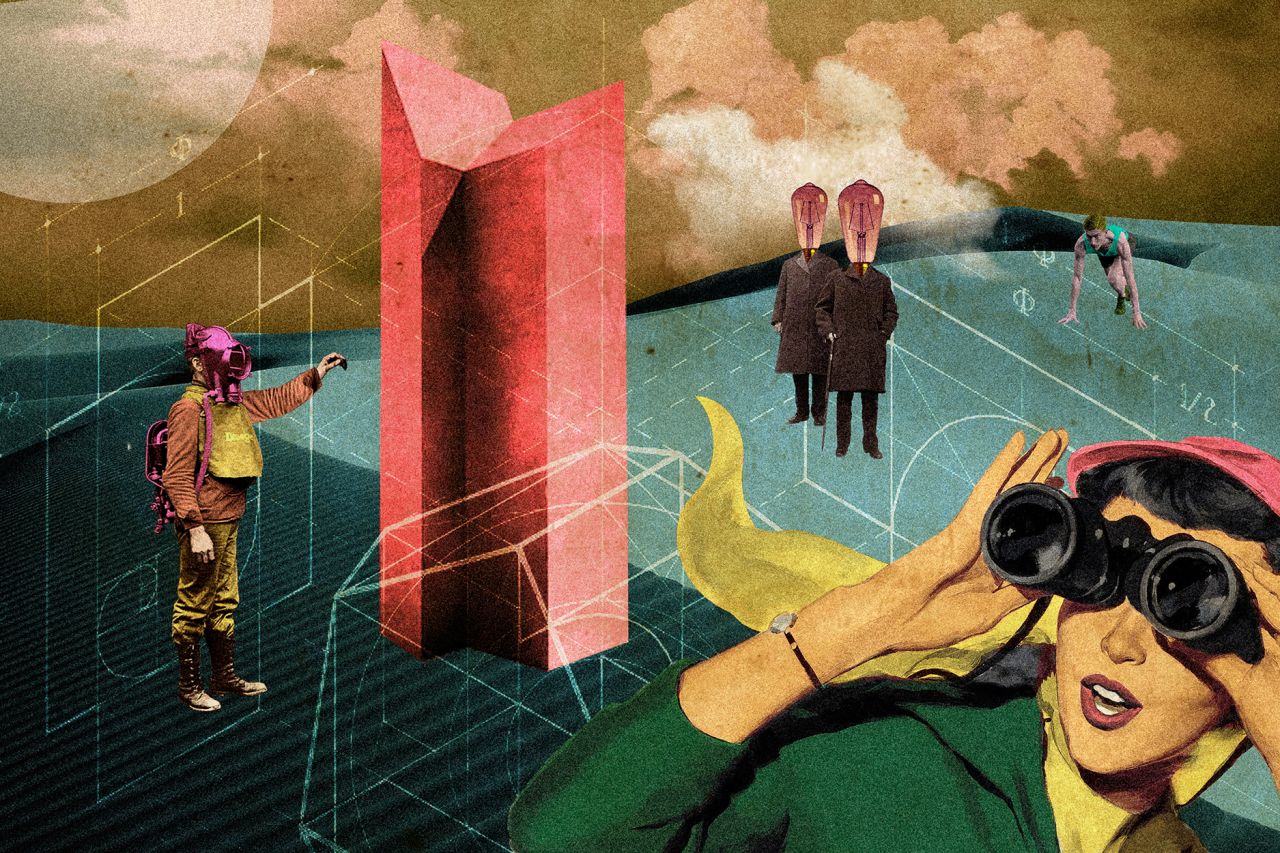

Collage as an art form has always thrived on layering, juxtaposition, and reimagining fragments of reality. In the digital age, however, collage is experiencing a renaissance. Today’s digital collage artists are using software, AI tools, and online archives to create works that transcend traditional cut-and-paste aesthetics. Their art is redefining visual storytelling by blending photography, illustration, typography, and digital manipulation into powerful narratives that speak to contemporary life.
Unlike analog collage, which relied on scissors and magazines, digital collage offers limitless resources. An artist can combine satellite images with vintage photographs, add AI-generated textures, and overlay hand-drawn sketches—all within a single composition. This freedom has turned digital collage into an experimental playground, where surrealism, abstraction, and realism coexist seamlessly. The result is a visual language that feels both futuristic and rooted in tradition.
Storytelling is at the heart of this movement. Many digital collage artists use their work to comment on identity, consumerism, cultural memory, and even political issues. A single digital frame can combine images of ancient sculptures with modern pop icons, critiquing the ways history and media intersect. Others explore personal narratives, layering family photographs with digital distortions to reflect memory’s fragile, shifting nature.
The accessibility of digital platforms has also empowered a new generation of collage artists. Social media platforms like Instagram and Behance have become galleries for these works, making it easier for independent voices to reach global audiences. This democratization has pushed collage beyond fine art circles into mainstream culture, influencing advertising, music album covers, and even fashion editorials.
Perhaps the most exciting aspect of digital collage is its ability to blur the boundaries between reality and imagination. By layering fragments from diverse sources, artists create dreamlike yet relatable stories that challenge viewers to question what is authentic, constructed, or imagined.
In many ways, digital collage artists are not just creating images—they are reconstructing the way we experience narratives in the digital era. Their work proves that storytelling today is no longer linear, but layered, hybrid, and endlessly open to interpretation.