
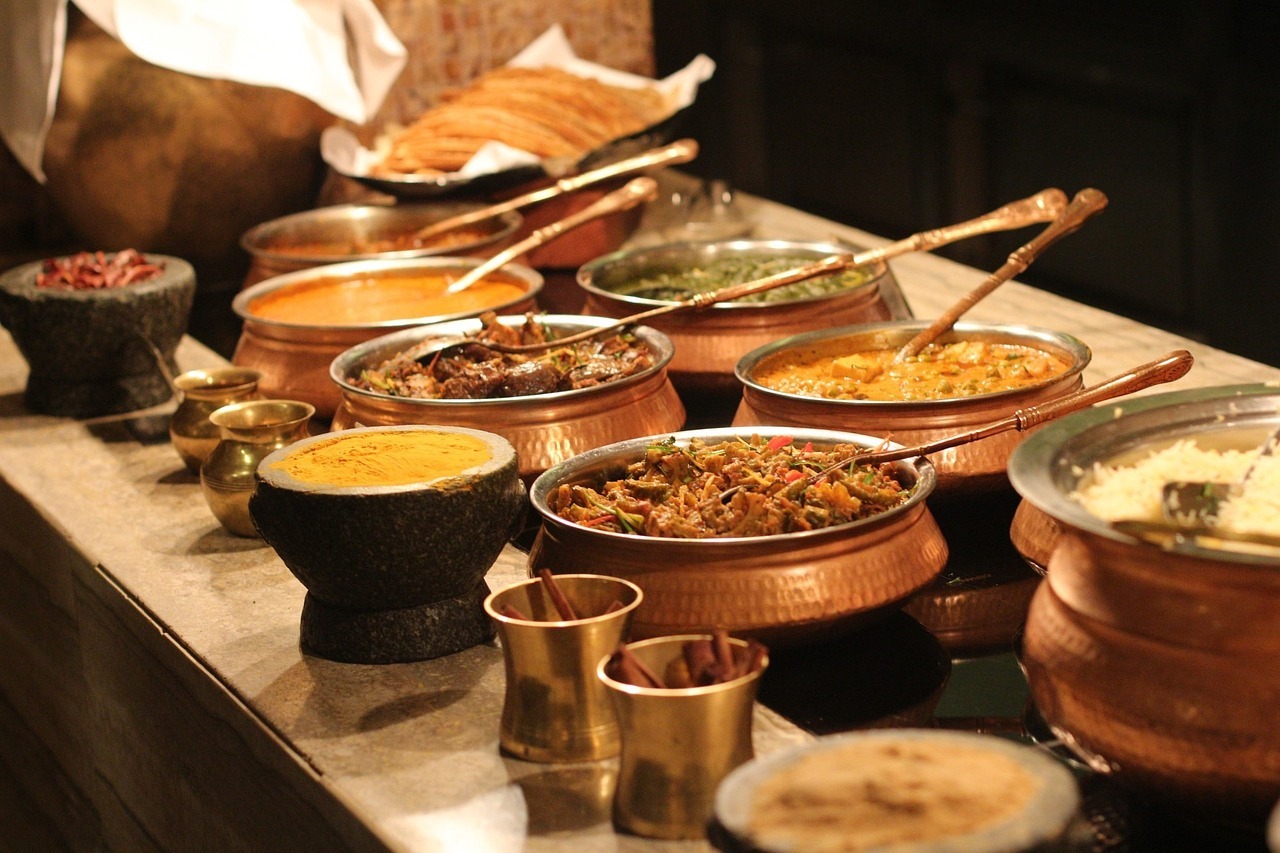

Food is more than sustenance—it is memory, identity, and heritage. Across cultures, traditional cuisines have become recognized as an essential part of intangible cultural heritage, just as valuable as music, dance, or language.
Consider Japanese sushi, French baguettes, or India’s diverse thalis. Each dish carries centuries of history, reflecting agricultural practices, trade routes, religious customs, and community rituals. Culinary traditions are living archives that connect people to their ancestors.
UNESCO’s recognition of dishes like Mexican cuisine or Korean kimchi-making highlights how food embodies collective identity. These traditions are often passed down orally, through families and communities, rather than written records. To cook an ancestral recipe is to keep culture alive in the most intimate, sensory way.
In a globalized world, however, these traditions face challenges. Fast food, homogenized diets, and commercialization risk diluting authenticity. At the same time, migration spreads culinary heritage across borders, giving it new shapes. Indian curries in London or Ethiopian coffee in New York represent both preservation and adaptation.
Culinary festivals, food museums, and slow-food movements are emerging as ways to safeguard this heritage. They celebrate not just taste, but also the rituals of preparation, the tools, and the community bonds built around shared meals.
Ultimately, culinary traditions remind us that culture is not only something we view or hear—it’s something we taste, share, and savor.