

Bengal glass painting is a distinctive folk‑art tradition in which artisans Make vividly colored imagery by painting on glass surfaces often using reverse‑painting techniques. it flourished inch the ordinal and new ordinal centuries adorning temple panels house shrines and cosmetic objects such...
READ MORE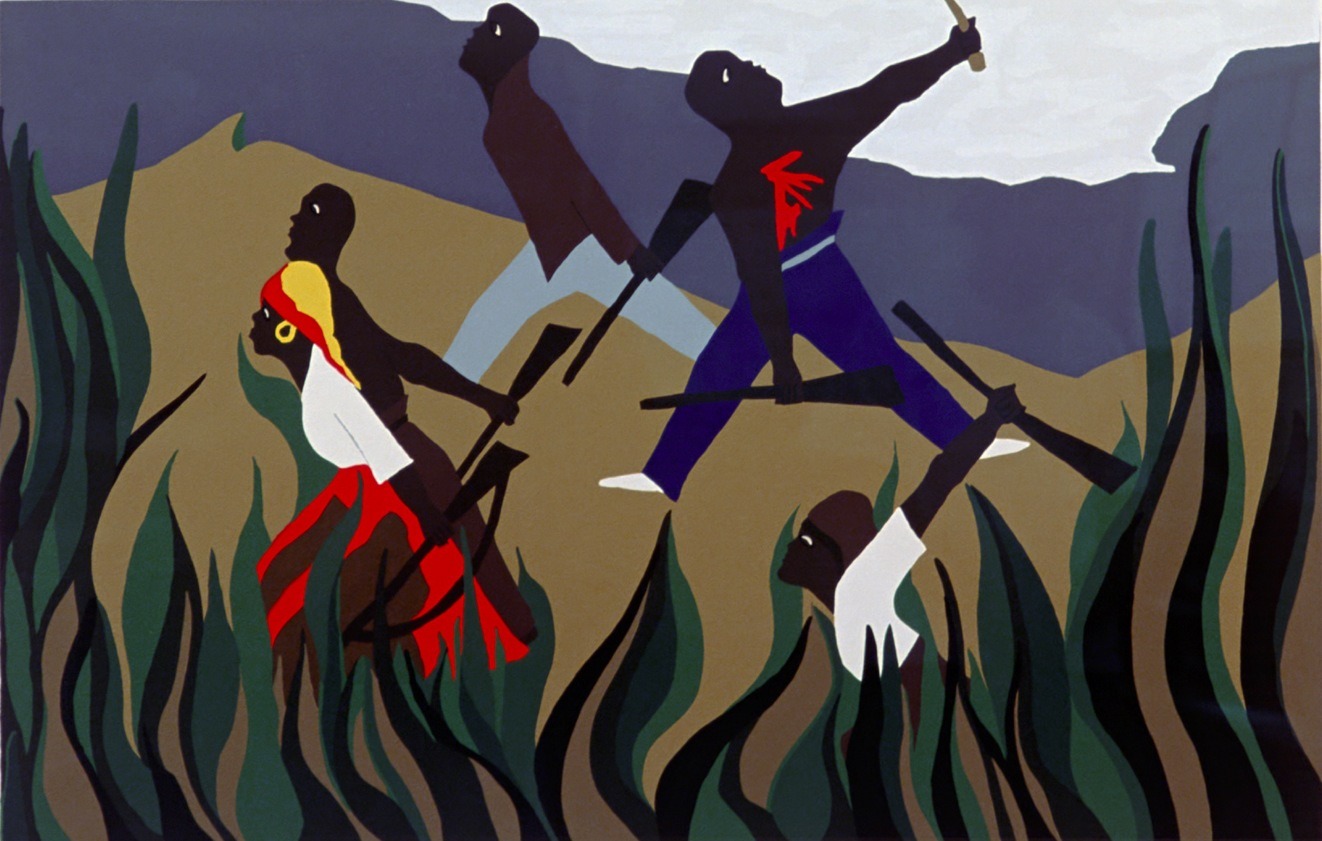
The Harlem Renaissance was a powerful cultural movement that eCombined in the 1920s centered in the Harlem neighborhood of New York City. it conspicuous amp vivacious point of creativeness and plume inch african american english individuality reshaping american english prowess literature and...
READ MORE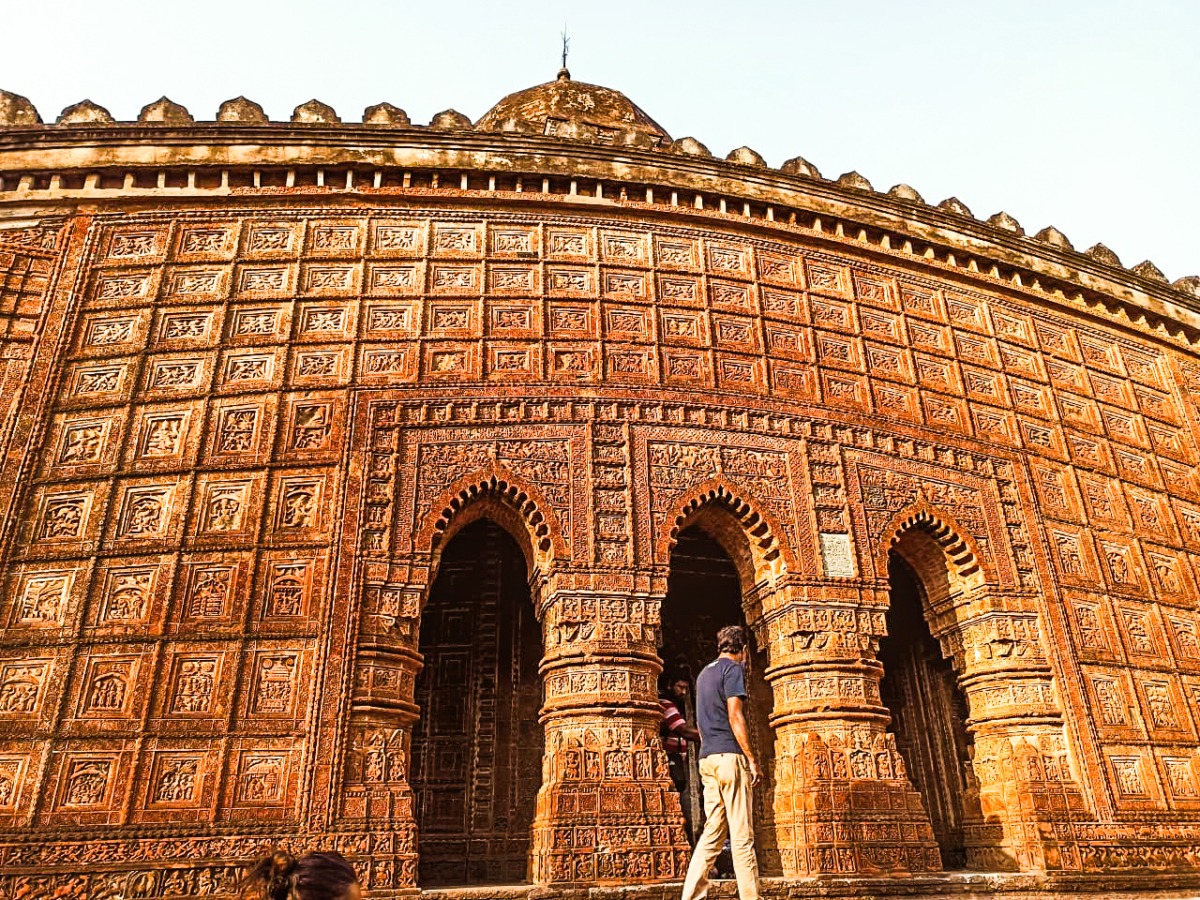
Nestled in the Bankura district of West Bengal Bishnupur is a treasure trove of terracotta art and Structure. renowned for its beautiful temples stacked away the malla dynasty betwixt the ordinal and ordinal centuries bishnupur showcases amp alone coalition of bengali oriya and mughal styles,...
READ MORE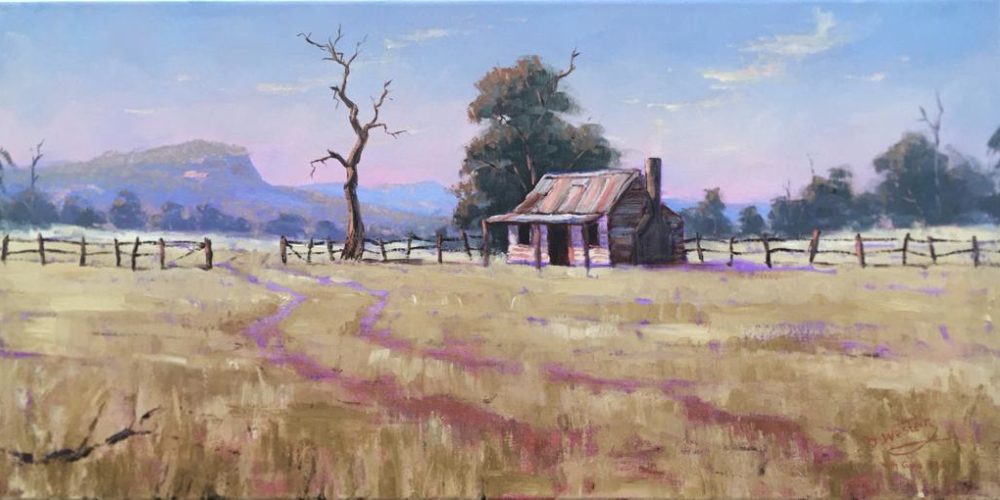
The Australian Outback has long inspired artists with its raw beauty vast open spaces and unique natural Characteristics. from the cherry littoral of uluru to the robust gorges and long skies the remote offers amp impressive and right case for landscape painting prowess. Artists are drawn to...
READ MORE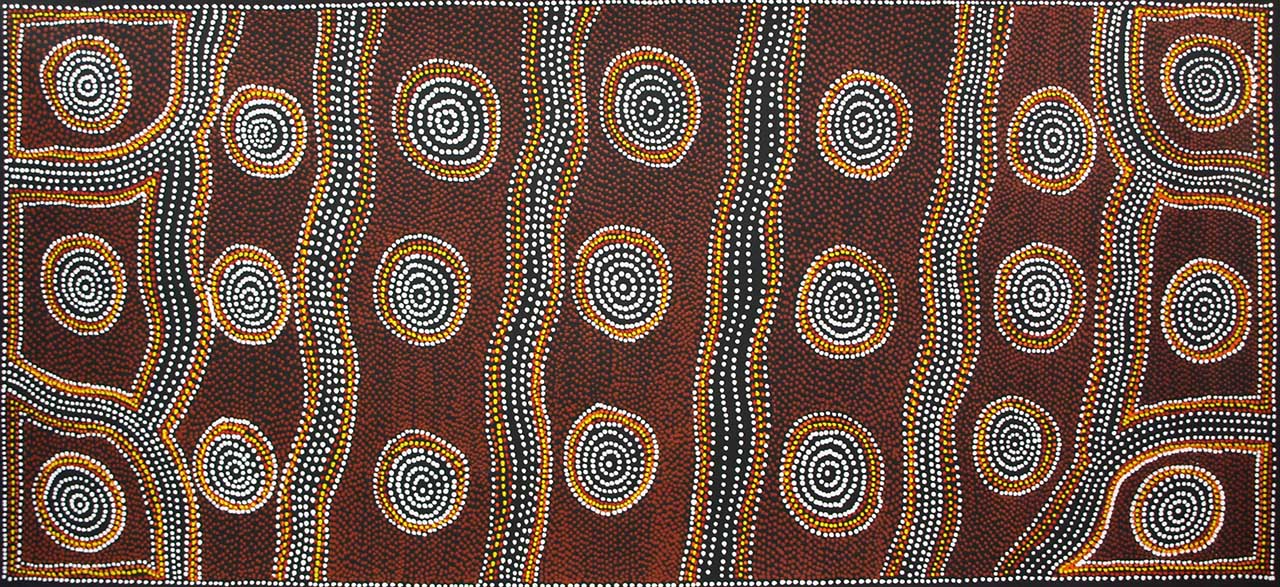
Aboriginal dot painting is one of the most iconic forms of Australian Indigenous art. originating from the home and country abandon regions this alone way uses dots to make Complicated Layouts and symbols that state stories passed blue done generations. Each painting is more than just...
READ MORE
Native American art is one of the oldest and most meaningful artistic traditions in the Americas. robust inch symbolism otherworldliness and storytelling it reflects amp sound link to world ancestors and the down. Every piece, whether it pottery beadwork weaving painting or carving, holds...
READ MORE
Not all great art is planned. sometimes the about exciting pieces get from content accidents , amp rouge fall amp ground grave or amp haphazard brushstroke that Revolutionizes the integral mode of amp sheet. These accidental masterpieces remind us that creativity doesn’t always follow rules....
READ MORE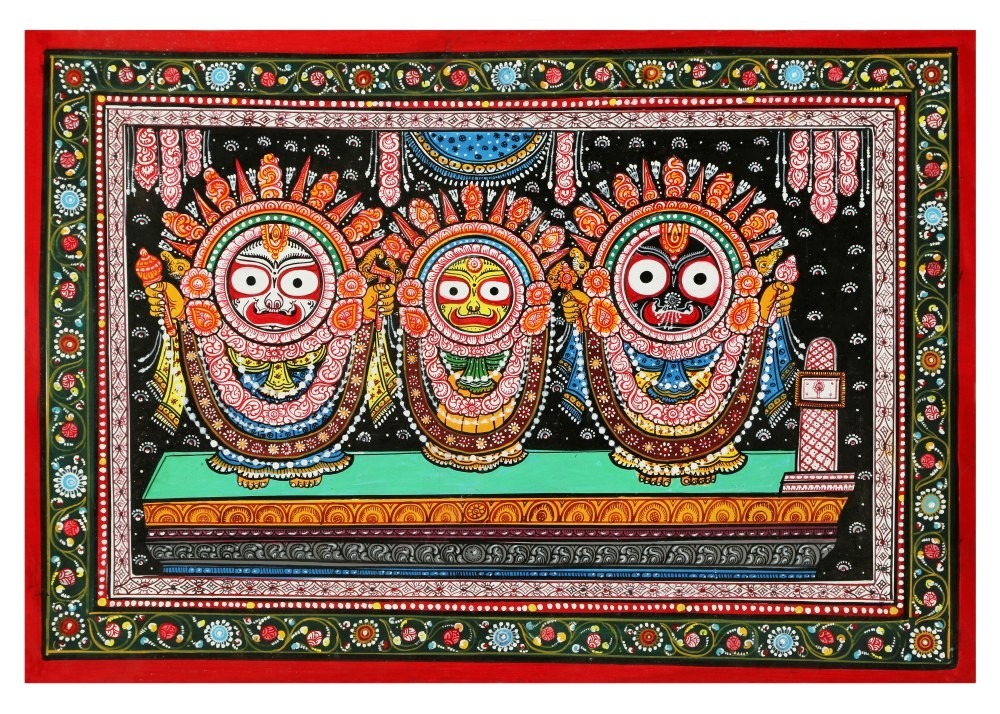
Pattachitra meaning “cloth painting” is one of the oldest and most cherished art forms from eastern India specifically Odisha and West Bengal. renowned for its Gossamer lines Complicated particularization and vivacious colours pattachitra is further than good art, it amp...
READ MORE
Art has long been a powerful tool for activism inspiring change and giving a voice to the unheard. over account artists bear old their be to dispute subjugation light conversations and drive for gregarious justice one of the about well known active artists is banksy whose politically live...
READ MORE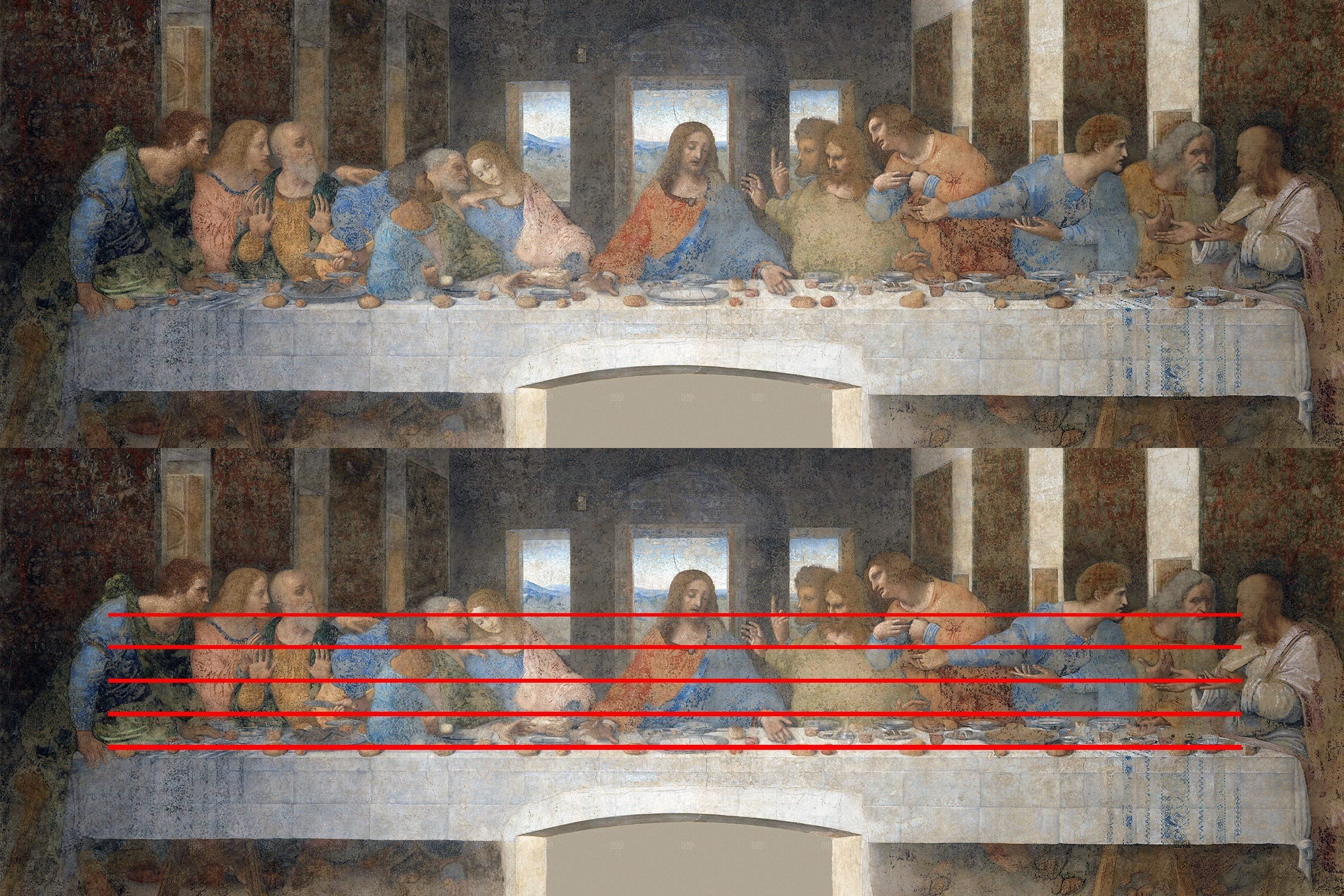
Great art often tells a story, but some paintings whisper secrets that only the observant will catch. obscure symbols insidious inside information and coded messages bear interested viewing audience and prowess historians for centuries revelation deeper meanings below the surface take...
READ MORE