
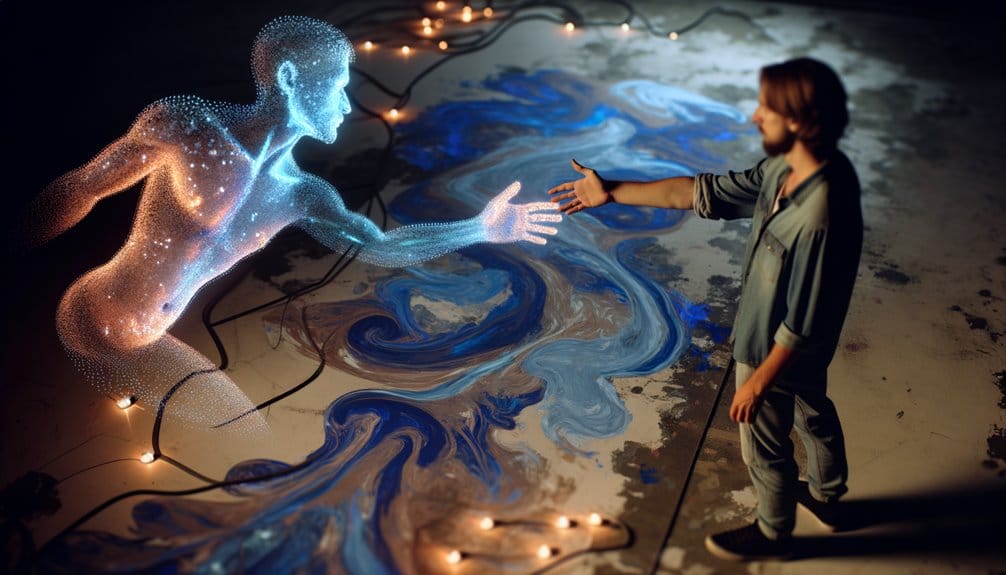

The fusion of emotion and technology is redefining art in the age of artificial intelligence. “Dream Coding” is the term artists now use to describe a new creative process where algorithms interpret human feelings to produce visuals that reflect mood, thought, and imagination. It’s no longer just about teaching machines to paint; it’s about training them to feel.
Across studios and digital labs, creators are using AI tools that analyze human inputs—words, voice tones, facial gestures, even brainwave data—to generate emotionally charged artwork. The artist sets the emotional direction, while the algorithm becomes a silent collaborator, translating subconscious states into color, movement, and form. This process has led to an entirely new art language where emotion is coded, processed, and visualized.
Many contemporary artists are exploring the emotional spectrum through AI-generated images that evoke nostalgia, longing, joy, or chaos. These works often blur the line between the human and the machine, forcing viewers to question who—or what—actually feels. When a program produces a painting that conveys sadness, is it simply executing commands, or is it reflecting the artist’s inner turmoil through digital empathy?
AI platforms like Runway, Midjourney, and DALL·E have become playgrounds for emotional experimentation. Artists mix poetry with prompts, sound with visual data, and even use AI to simulate dream states. The resulting art feels deeply human yet impossibly precise, showing us that technology can amplify the soul instead of replacing it.
“Dream Coding” is more than a digital experiment—it’s an emotional revolution. It suggests that creativity doesn’t belong exclusively to humans; it’s a shared process of translation between consciousness and code. As artists continue to program feelings into pixels, the question remains: when machines can dream our dreams