
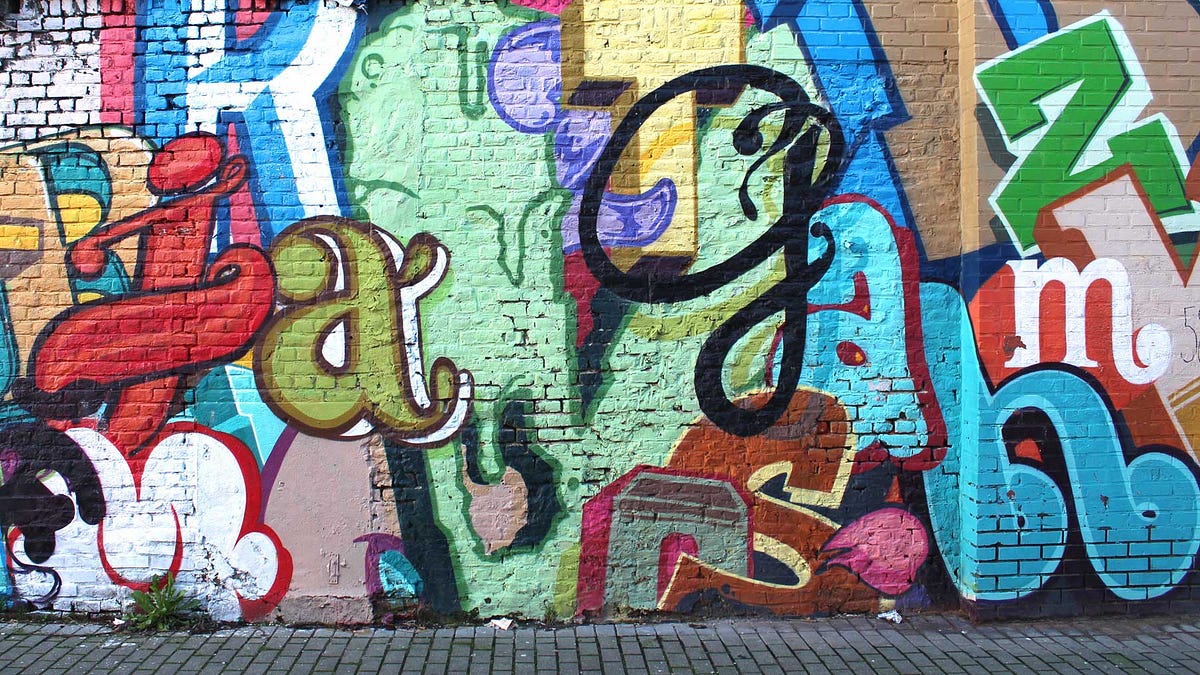

Graffiti has always thrived on visibility and immediacy, but the rise of digital projection has taken urban expression to a new dimension. Instead of spray paint, artists now use projectors, mapping software and even drones to cast temporary murals on buildings, bridges and monuments. Known as “projection graffiti” or “digital walls,” this practice turns any surface into an instant, non-destructive canvas.
Because it leaves no permanent mark, projection graffiti sidesteps many legal and environmental concerns associated with paint. Artists can test designs, animate them and respond quickly to current events. A façade may show a pulsating portrait one night and a scrolling poem the next. In cities such as Berlin, Tokyo and New York, collectives stage guerrilla light shows that appear without warning, transforming familiar streets into ephemeral galleries.
Projection graffiti also expands the visual vocabulary of street art. Moving images, sound, interactive elements and live data feeds can be incorporated, making walls behave like giant screens. Passers-by might trigger changes with their movement, voice or phone signals. This participatory layer turns spectators into collaborators.
More than just spectacle, digital walls have become tools for activism and community engagement. Messages about climate change, social justice or local events can be broadcast on a massive scale without vandalising property. In some cases, city governments even commission projection art for festivals or public information campaigns.
By merging street art’s rebellious energy with digital technology’s flexibility, projection graffiti reimagines how we communicate in urban space. It proves that walls don’t have to be static—they can flicker, react and speak back.