
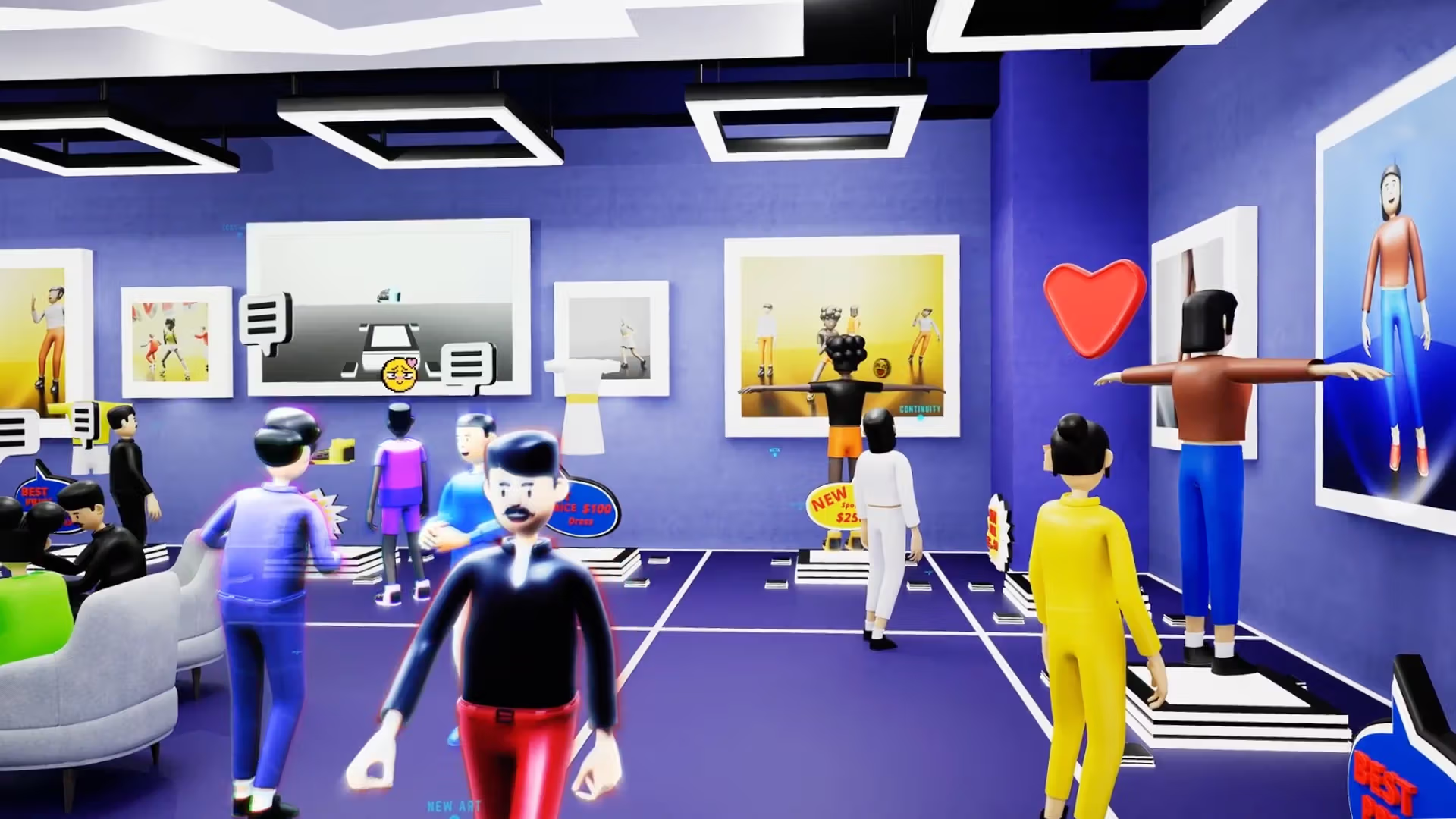

Performance art has traditionally thrived in physical spaces—galleries, streets, or theaters—where the audience and the performer share the same moment. But with the rise of social media platforms, performance art has entered a new digital stage. Today, artists are using Instagram Live, TikTok, YouTube, and other platforms to stage performances that are immersive, participatory, and globally accessible. Virtual performance art is not only redefining how audiences experience creativity but also reshaping the very meaning of presence and participation.
In social media spaces, performance art often blurs the boundary between everyday life and art. An artist might livestream themselves performing repetitive daily rituals to critique consumer culture, or use TikTok challenges as a form of choreography that questions identity and belonging. Unlike traditional performance, which is limited by physical attendance, virtual performance can reach thousands—or even millions—instantly. The audience is no longer a passive observer; through comments, reactions, and shares, they become active participants in the unfolding artwork.
What makes this medium particularly unique is its ephemerality and accessibility. A performance can be live for just a few minutes, vanish into stories, or exist as short viral clips. This mirrors the transient nature of performance art itself, while also aligning with the fast-paced rhythm of social media culture. Artists are using this tension to explore themes of attention, memory, and digital overload.
Another fascinating aspect is the democratization of performance art. In the past, performance often relied on institutional validation through galleries or festivals. Now, any artist with a smartphone can stage meaningful work for a global audience. This has opened the door for marginalized voices to showcase experimental performances without gatekeepers.
Yet, this shift also raises questions: when a performance is framed within the algorithms of social media, is it still art or just content? Many artists embrace this ambiguity, using the platforms’ structures themselves as material to critique digital surveillance, virality, or commodification.
Ultimately, virtual performance art on social media spaces reveals how creativity adapts to technology. It keeps alive the spirit of experimentation and immediacy that has always defined performance art, while making it more interactive and widely accessible than ever before.