
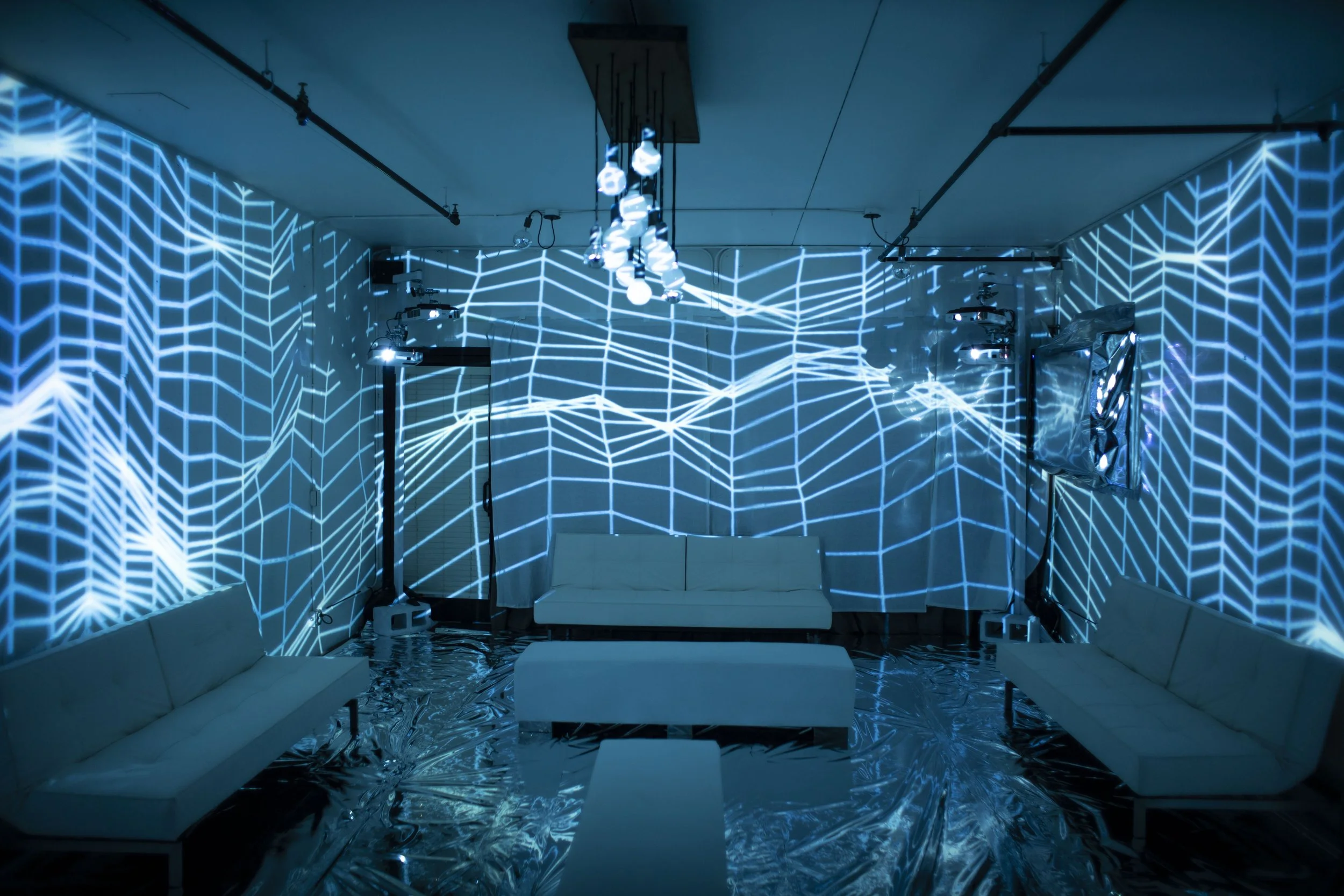

Art has always been about creating immersive experiences, and 3D projection mapping has emerged as one of the most powerful tools to achieve this. By transforming ordinary surfaces—buildings, monuments, interiors, or even natural landscapes—into dynamic canvases, projection mapping allows artists to blur the line between physical space and digital imagination. In contemporary installations, it is reshaping the way audiences engage with art.
Unlike traditional projections, 3D mapping uses specialized software to match visuals with the exact contours of a surface. This creates the illusion that walls, sculptures, or objects are coming alive. Buildings appear to breathe, statues shift shape, and abstract forms ripple across unexpected spaces. For many artists, this technology opens an entirely new dimension of storytelling.
Projection mapping has gained prominence in large-scale cultural events, festivals, and exhibitions. For instance, heritage sites are often transformed into luminous narratives, with historical stories projected onto centuries-old facades. In urban spaces, projection artists experiment with futuristic visuals that turn public plazas into interactive art environments. Inside galleries, projection mapping installations allow viewers to step into moving worlds, breaking the barrier between observer and participant.
One of the most compelling aspects of projection mapping is its ability to merge technology with emotion. While the visuals are powered by algorithms and digital software, the narratives remain deeply human—stories of memory, environment, identity, or celebration. Many artists use this medium to highlight social issues, such as climate change, by projecting melting glaciers or rising seas onto city walls. The result is both impactful and thought-provoking.
The accessibility of projection mapping tools has also inspired independent artists and smaller collectives. With portable projectors and open-source software, experimental installations can appear in unexpected locations—from alleyways to abandoned factories—turning cities into ever-changing galleries.
Ultimately, 3D projection mapping reflects the evolution of contemporary art toward multisensory, immersive experiences. It transforms static spaces into living canvases and allows audiences not just to view art, but to inhabit it. As technology advances, projection mapping promises to remain a cornerstone of cutting-edge artistic expression.