
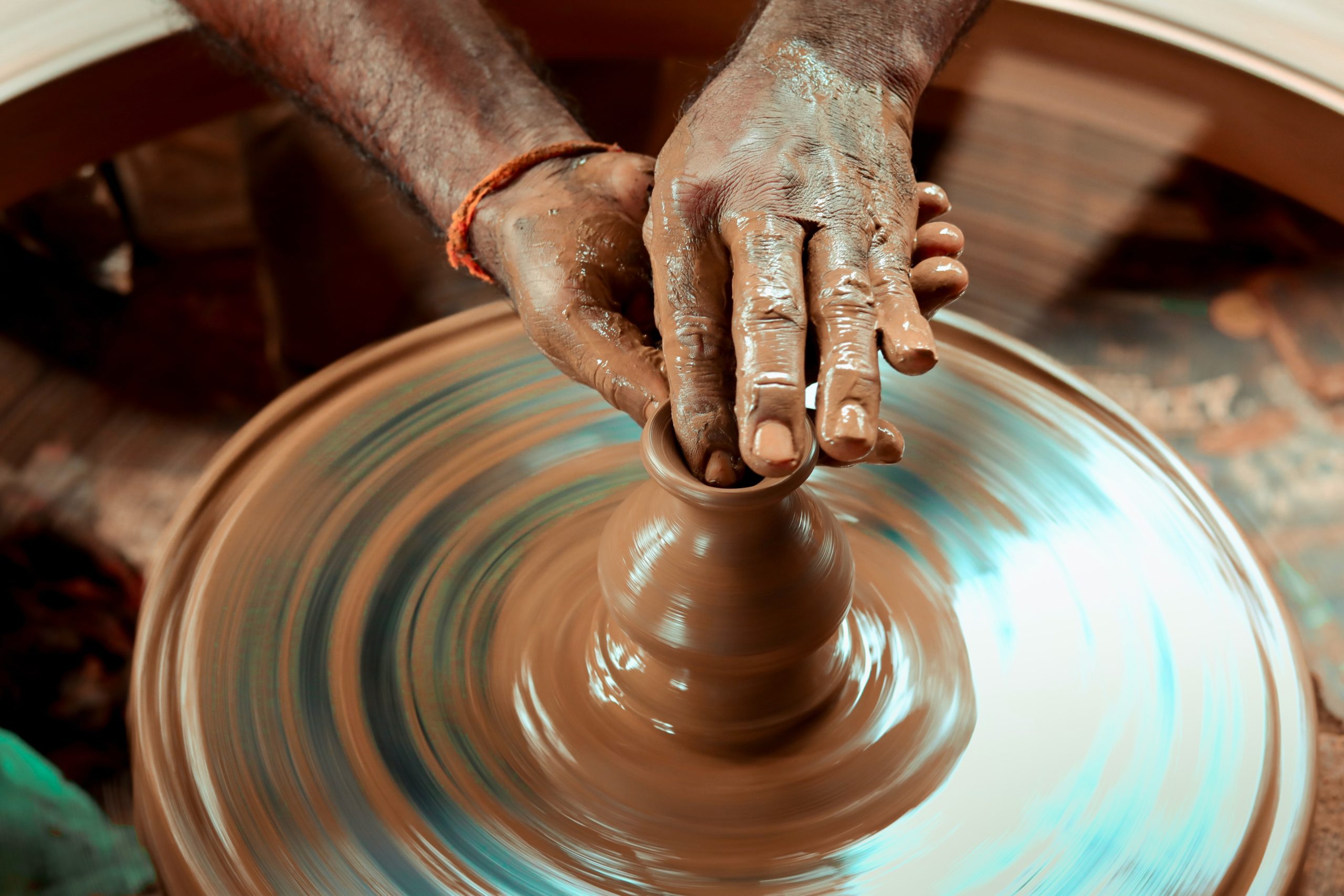

Around the world, ancient crafts are experiencing a revival, as communities recognize their cultural and artistic value. From handwoven textiles to pottery, metalwork, and wood carving, these traditions connect us to centuries of human creativity.
For many artisans, reviving these crafts is not just about nostalgia—it is survival. Mass production and fast fashion once pushed handmade objects to the margins, but now there is renewed appreciation for slow, sustainable, and authentic art forms. Consumers increasingly seek items that carry stories, not just utility.
Projects and collectives have emerged to support traditional craftspeople, ensuring their skills are passed to new generations. In India, for example, weaving and block-printing are promoted through cooperatives, while in Japan, “living national treasures” honor master artisans. Museums, too, play a role, showcasing crafts as heritage equal to fine art.
Technology also contributes to revival. Digital platforms allow artisans to sell globally, while collaborations with contemporary designers bring fresh relevance. A handwoven shawl might appear on a fashion runway, or ancient pottery techniques might inspire modern home décor.
By preserving ancient crafts, societies protect more than objects—they safeguard identity, memory, and continuity. Every handmade artifact is a dialogue between past and present, proving that tradition can evolve without losing authenticity.