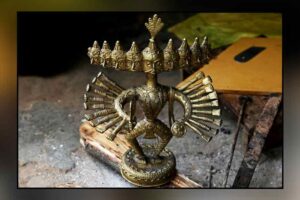
The Dokra metalwork of Bengal, a distinctive form of bronze casting, is an ancient craft that has gained significant attention in the global art scene. Known for its intricate designs and primitive yet timeless appeal, Dokra art has captured the imaginations of artists, collectors, and curators in the West. What began as a traditional craft among Bengal’s tribal communities has now evolved into a symbol of India’s rich artistic heritage, with Dokra sculptures gracing galleries and museums across the world.
Dokra metalwork is a form of lost-wax casting that dates back over 4,000 years. The process involves creating sculptures from bronze by casting molten metal into molds made from a wax model, which is then melted away. This unique technique results in the creation of intricate figurines, ritualistic objects, and decorative pieces that carry a distinct texture and finish.
The beauty of Dokra metalwork lies in its organic and irregular forms, where every piece is unique. The tribal artisans of Bengal, especially from the Jhargram and Bankura regions, are known for their skill in creating figurative sculptures inspired by nature, gods, and animals.
Dokra metalwork is traditionally practiced by the Dokra artisans, a group of skilled craftsmen belonging to the tribal communities of Bengal. The artform is passed down through generations, often within the same families, making it a living tradition. The pieces produced are not just objects; they are spiritual expressions and cultural symbols.
Some common motifs in Dokra art include:
Each Dokra piece reflects the artisan’s deep connection to nature, religion, and community rituals.
Despite its ancient roots, Dokra metalwork started gaining international recognition in the late 20th century, as the world began to appreciate indigenous crafts and sustainable art forms. In the West, the appeal of Dokra lies in its ethnographic value, artisanal craftsmanship, and cultural symbolism.
In art galleries and museums across Europe and North America, Dokra pieces are showcased as primitive masterpieces that highlight the intersection of traditional techniques and modern artistic sensibilities. The raw, unfinished texture and tribal aesthetic of the sculptures appeal to collectors of ethnographic art and tribal design, as well as contemporary artists who seek inspiration from indigenous forms.
Some notable exhibitions of Dokra metalwork include:
As the world turns its attention to sustainability, Dokra metalwork stands out as an example of eco-friendly craftsmanship. The traditional process involves minimal waste and uses locally sourced materials, making it a model for sustainable art practices. In recent years, artists and designers have also started incorporating Dokra in furniture design, jewelry, and home decor, blending traditional artistry with modern functionality.
Some contemporary designers are collaborating with Dokra artisans to create unique pieces that marry tribal aesthetics with contemporary style. These collaborations have brought fresh attention to the craft, introducing Dokra metalwork to a broader global audience.